01
Subgrade on expansive clay
Front Range clay swells when wet and shrinks when dry. We excavate, compact, and set a stable, well-drained base so the slab isn't riding on soil that heaves.
Turn the back of the house into real living space. A patio built for Colorado's freeze-thaw, sloped to drain, and cured so it holds up season after season.
Drag the handle to reveal the finished pour.
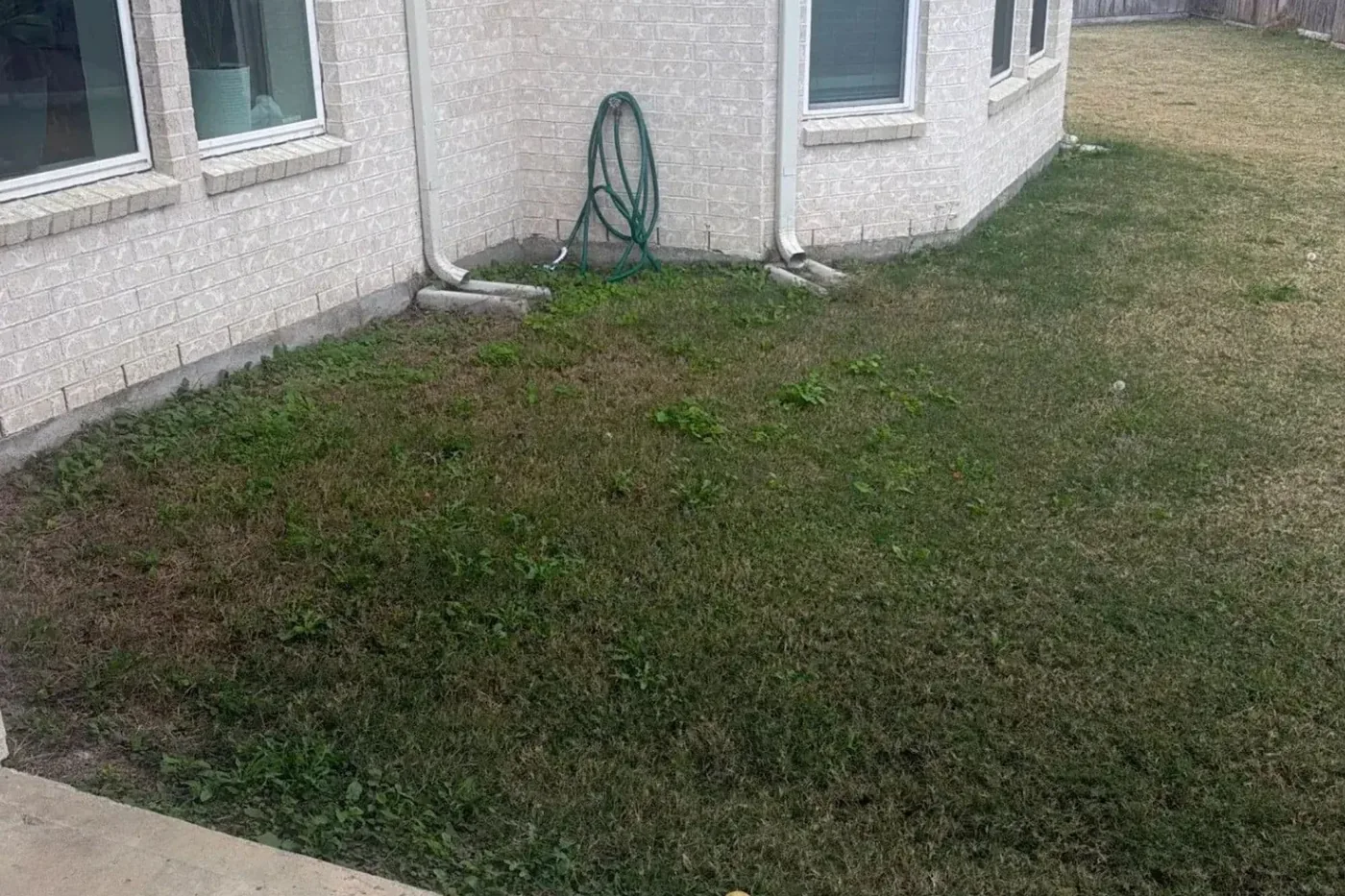
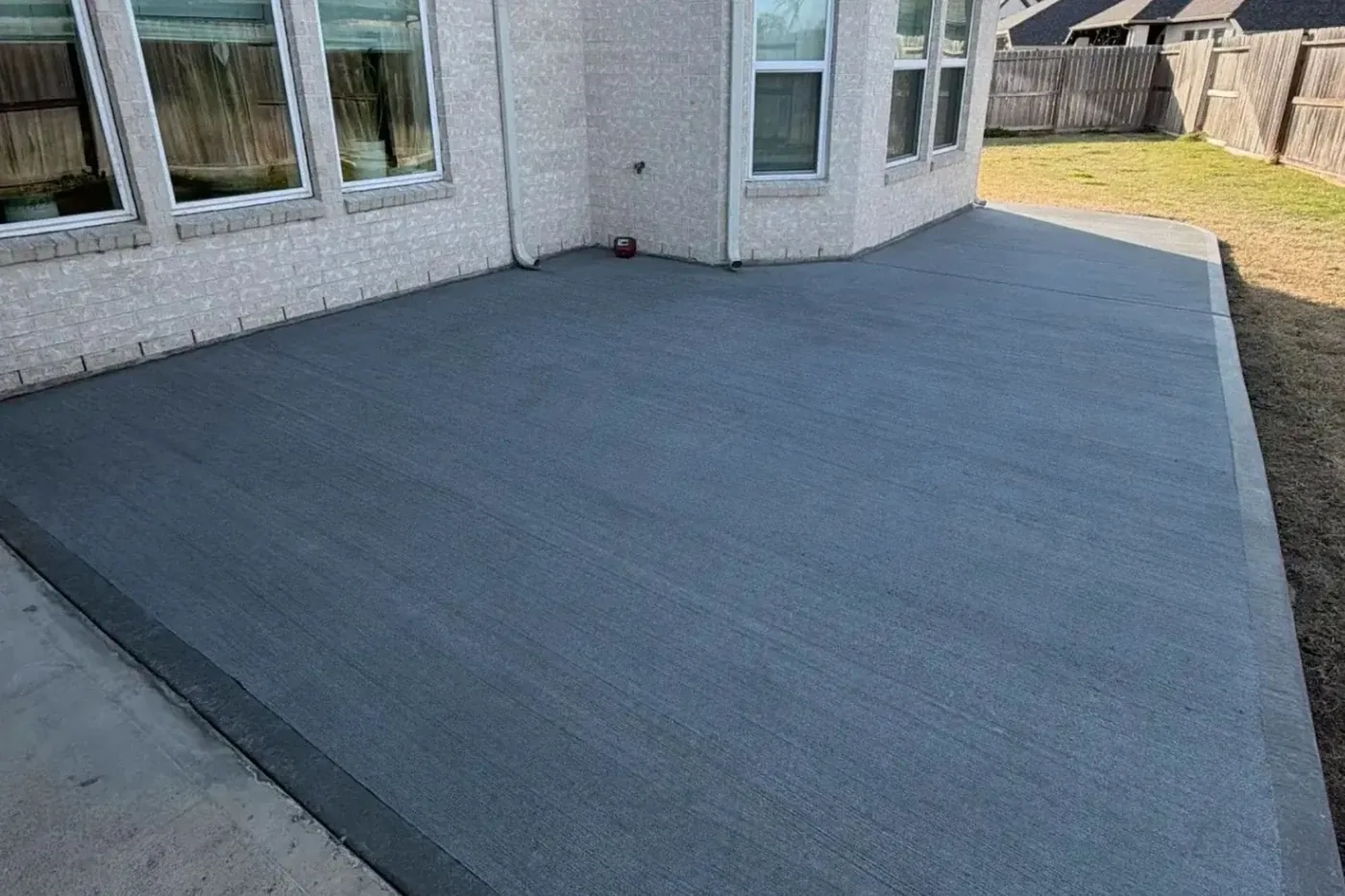
Credibility comes from how it's built, not from promises. Here's the order of operations on every concrete patios job.
Front Range clay swells when wet and shrinks when dry. We excavate, compact, and set a stable, well-drained base so the slab isn't riding on soil that heaves.
The slab is pitched away from the house so snowmelt and summer storms shed off, and so water can't sit and freeze against the foundation.
We pour an air-entrained mix built for the Front Range's 150-plus freeze-thaw cycles a year, so the surface resists scaling.
We cut joints on a plan so the slab has defined lines to move along through Colorado's big day-to-night temperature swings.
We cure on a schedule so it gains strength evenly in the dry, high-altitude air instead of flash-drying, then seal to guard against de-icers.
Most contractors vanish after the deposit. We pick up the phone, show up when we say, and stand behind the work after the truck leaves. The follow-through is the difference.
A foreman we know runs your job and a vetted crew does the work, managed by Lucky's, one company accountable from the first call to the final walkthrough.
COI and lien waivers on file before we break ground. The documentation that lets commercial clients pay and gives homeowners peace of mind.
Prepped subgrade, reinforced and mixed to spec for the job, and proper curing. We build credibility through the process, not promises. On concrete patios, that starts with subgrade on expansive clay.
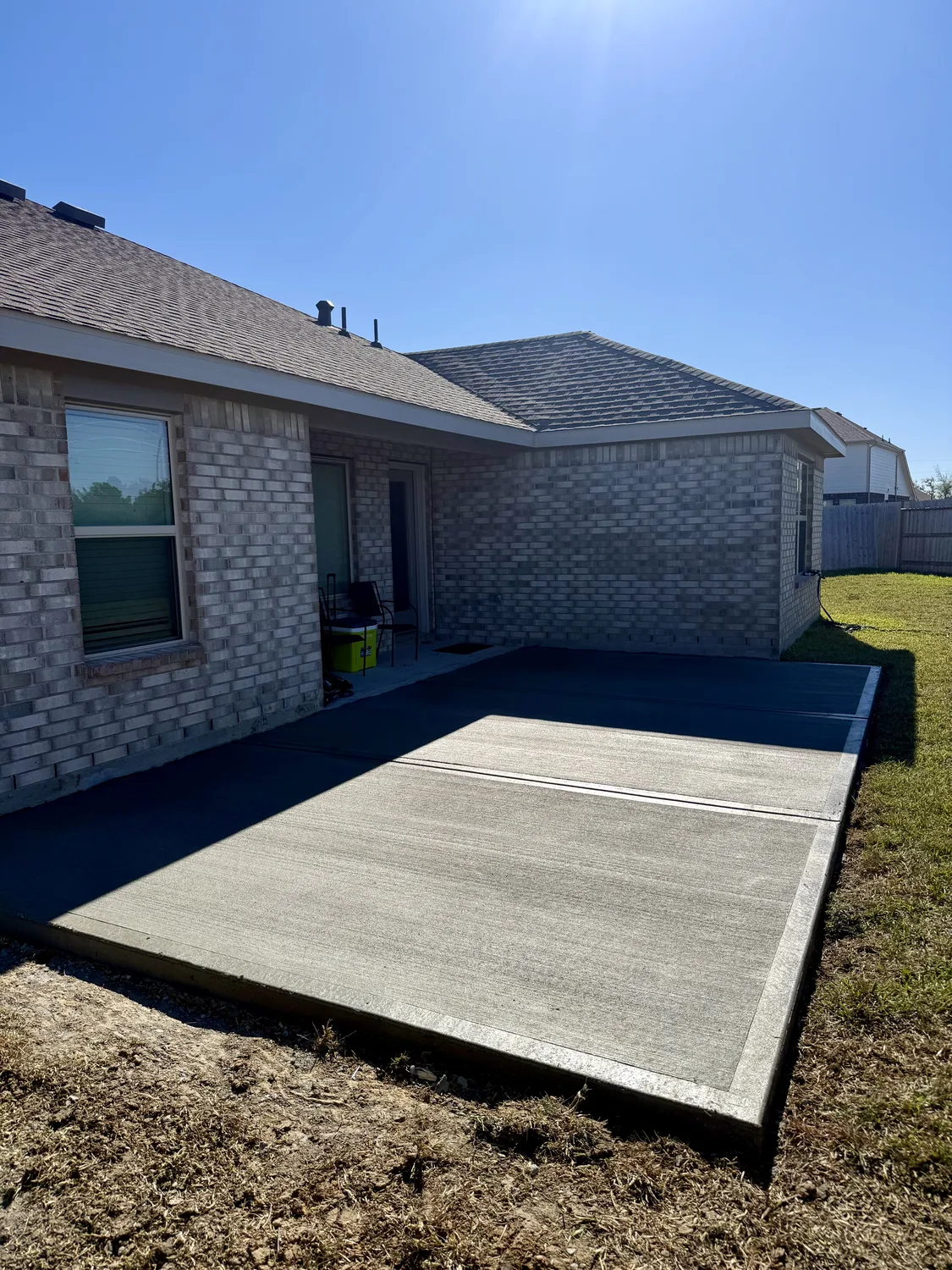
Concrete on the Front Range costs more than the national flatwork average for real reasons: air-entrained mixes for freeze-thaw, footings below the frost line, and extra base prep over expansive clay. As an honest starting range, most broom-finish patios in Denver run about $9 to $15 per square foot, and stamped or decorative work about $15 to $24, before base prep. From there, patio price comes down to square footage, finish (broom vs. stamped), and how much base work the soil needs. We price it after seeing the space, never a low number on the phone we can't stand behind.
A residential concrete patio is poured on a 4-inch base, the standard for foot traffic and furniture, and we thicken it where heavier loads like a hot tub are involved.
Expansive clay is the number-one reason slabs heave on the Front Range. It swells when wet and shrinks when dry, so we manage it at the base: excavate, compact, and build on a stable, well-drained subgrade, then cut control joints so movement is planned. We can't promise concrete never moves; we build to control where it does.
Concrete has to cure above freezing, so deep-winter pours are limited and need frost protection. We'll tell you straight whether to pour now or schedule for the season; we won't put a slab down in conditions that compromise it.
Broom is the workhorse: textured, slip-aware in snow and rain, and budget-friendly. Stamped gives the look of stone or slate, but up here it needs resealing more often because high-altitude UV and de-icers are hard on the finish. We'll walk both against how you'll use the space.
Yes. We set the slope so snowmelt and storm runoff shed away from the house instead of pooling and freezing. Standing water that freezes is what wrecks edges and joints.
Yes. Much of the Denver metro sits on expansive clay that swells when it's wet and shrinks when it's dry, so a patio poured on poorly prepped ground can heave and crack. We excavate, compact a proper base, reinforce the slab, and isolate it from the house so it can move without taking your foundation or finishes with it.
You'll hear back from a real person, usually the same day. No call center, no runaround, no chasing us down.
Booking up fast this season. Or call (720) 619-6545